20% OFF. BLACK FRIDAY DEAL. CODE: BF20

How Do You Validate a Sprint Timing System for Sports Science Research?
Design a paired sprint timing study. Set acceptable agreement limits, compare systems on the same runs and measure test–retest reliability.
Motion Trials
11/11/20261 min read
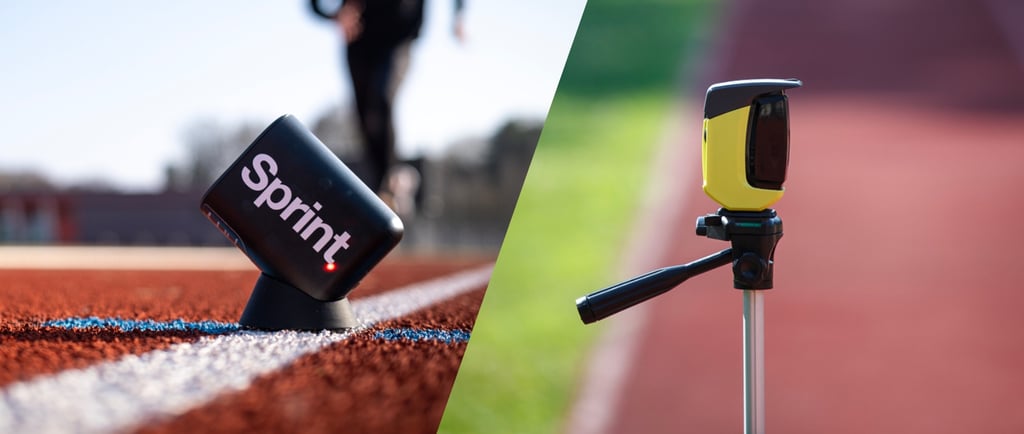

Validate a sprint timing system by comparing its readings with a suitable reference during the same runs. Define an acceptable difference before testing, then assess agreement between systems and repeatability within each system.
What should a validation protocol specify?
Match the timed events. Document the stance, start trigger, sensor position and finish definition. Run the systems together to reduce differences caused by comparing separate efforts.
Define acceptable agreement. Choose a tolerance based on the smallest difference that would change a decision in your study. Report the mean paired difference and limits of agreement in seconds.
Test repeatability. Collect repeated trials or sessions under a consistent protocol and quantify within-system variation. This helps determine whether the system can track changes over time.
How do you read a small average difference?
In the MotionTrials comparison, 89 participants each produced one paired 20 m result. The mean difference between Sprint and Witty was −0.002 s. The reported limits of agreement were −0.131 to +0.127 s. Read the average and the limits together when deciding whether the two methods can be used interchangeably for your question. See the paired field comparison.
What should you include in the methods section?
Report the equipment and settings, participant group, distance, start offset, surface, number of attempts and how invalid results were handled. A paired comparison with one run per participant can assess between-system agreement for that setup. A separate repeated-trial design provides evidence about repeatability. See an example of a repeatability study for sprint times.
If you plan to test a particular setup, request a MotionTrials demonstration and describe the protocol you intend to use.

Designed and assembled in the EU.
© 2026, Motion Trials


¹ Products are processed and dispatched from the EU. Delivery is free on orders over €50 within the European Union. Import duties, local taxes, or handling fees may apply depending on your country's customs regulations and must be paid by the customer. Prior to ordering, please check your local customs requirements or contact our support team at support@motiontrials.com